
Lab-Grown Emerald vs. Lab-Grown Blue Sapphire: Which Gemstone Jewelry Should You Choose?
Colored gemstone jewelry is often chosen with the eye first. A rich green emerald can make a simple outfit feel considered, while a blue sapphire brings a more tailored, composed kind of color. Both are compelling choices for buyers who want fine jewelry with personality beyond a clear stone. The question is not which gemstone is universally better. It is which color, design, and wearing experience fit the person who will own it.
Lab-grown versions make the comparison especially approachable. They offer the same core mineral identity as their mined counterparts, while opening more room to focus on color, setting, cut, and everyday styling. This guide compares lab-grown emerald and lab-grown blue sapphire jewelry in practical terms: what they look like in different settings, how they work with daily life, and what to consider before buying a ring, pendant, bracelet, or pair of earrings.
Start With the Color Story You Want to Wear
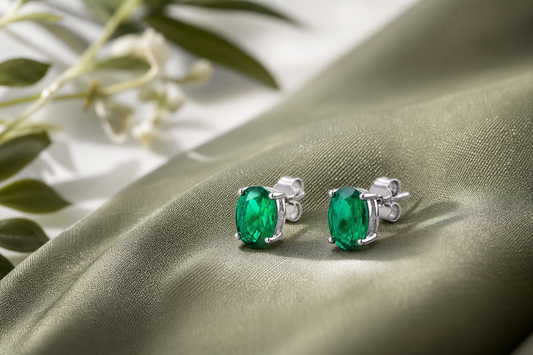
Emerald and sapphire create very different visual moods. Emerald is fresh, confident, and naturally expressive. The green can range from a lighter garden tone to a deeper forest-like color, depending on the cut, lighting, and design. It is a strong choice for someone who likes a gemstone to become the focal point of an outfit.
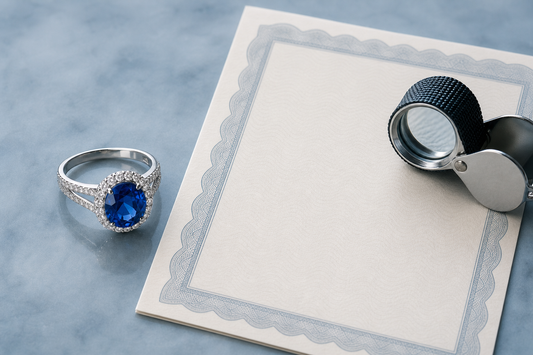
Blue sapphire is usually calmer at first glance, though it is never dull. A well-cut royal blue or cornflower blue stone can look crisp against white gold, sterling silver, navy tailoring, soft gray, cream, and denim. It works particularly well for people who want color but prefer a classic, versatile result.
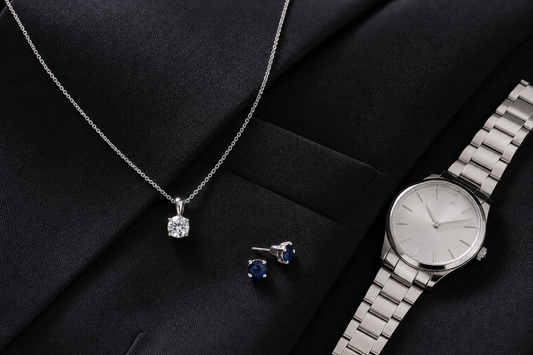
Think about your wardrobe rather than a color chart. Emerald can give black, ivory, tan, and warm neutrals a dramatic lift. Sapphire works with both cool and warm palettes and is easy to wear beside silver-toned watches or simple hoops. If the recipient already wears a lot of navy, charcoal, gray, or white shirts, sapphire is often a natural extension. If their clothing is simple and neutral, emerald can be the piece that provides the color.
Lab-Grown Does Not Mean One-Note
Lab-grown emerald and lab-grown sapphire are created in controlled conditions rather than extracted from the earth. They are still gemstones with their own optical character. Cut, facet arrangement, setting height, metal color, and the size of a stone all influence the final impression.
The controlled origin can be helpful when you are comparing jewelry online because it allows a buyer to focus more directly on visible qualities. Ask: does the color feel balanced in the photographs? Is the cut proportionate? Does the setting make sense for the way the piece will be worn? A small, well-composed stone in a refined setting often makes more impact than a large stone that does not suit the design.
Avoid treating a label as a shortcut to quality. Product photography, measurements, material details, and the construction of the setting are all part of the decision. The goal is a piece that looks beautiful now and feels easy to reach for later.
Durability: The Practical Difference
Sapphire belongs to the corundum family and is widely appreciated for excellent everyday durability. That makes it a particularly comfortable choice for rings, bracelets, and other pieces that meet the world frequently. A sapphire ring can be worn regularly with sensible care: remove it for swimming, gym sessions, cleaning, gardening, and heavy work, then store it separately when not in use.
Emerald is also suitable for fine jewelry, but it calls for a little more thought about setting and routine. Choose a secure design and avoid unnecessary knocks, harsh chemicals, or impact. For many people, that is not a limitation; it simply makes emerald a more deliberate part of their jewelry rotation. A pendant, earrings, or an occasion ring can be a particularly graceful way to enjoy emerald color while keeping the piece protected.
The choice becomes simple when you consider the wearer. For a person who wants one colored ring to wear through a busy daily routine, sapphire may offer easier confidence. For someone drawn strongly to green and happy to treat a treasured piece with care, emerald offers a look that is difficult to substitute.
Choose the Right Jewelry Category
Rings
Rings show color immediately, but they also receive the most contact. Sapphire is an excellent fit for a daily ring, an anniversary ring, or a clean engagement-ring-inspired design. Emerald can be equally striking when paired with a setting that protects the stone and a wearer who removes jewelry for active tasks. If the focus is a long, elegant silhouette, an emerald-cut shape can make either green or blue feel sophisticated rather than overly decorative.
Necklaces
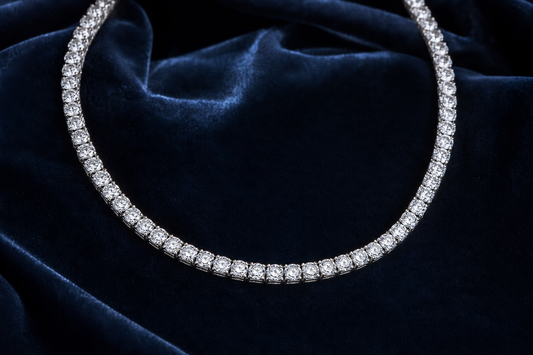
Necklaces offer an easy entry into colored gemstone jewelry. The pendant sits away from most impact, and color has room to show against the neckline. A blue sapphire pendant can look crisp with a white shirt or a silk dress, while an emerald pendant becomes an arresting accent against cream, black, or a warm neutral knit. For a refined blue option, see the Lab-Grown Sapphire Halo Pendant Necklace.
Bracelets
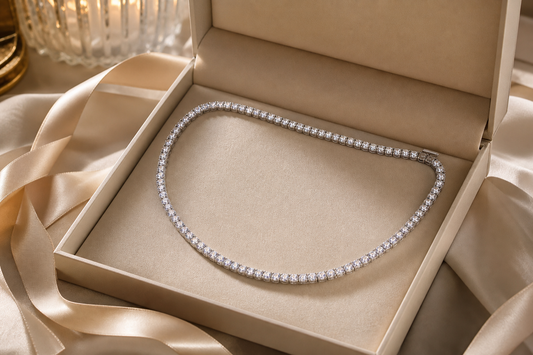
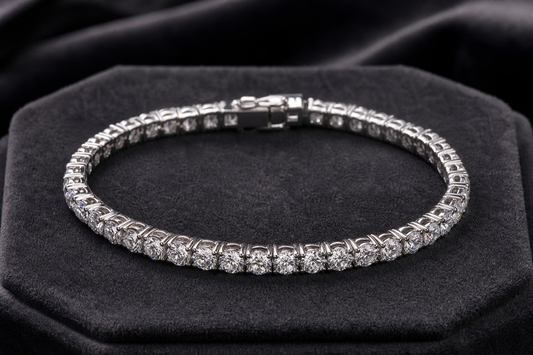
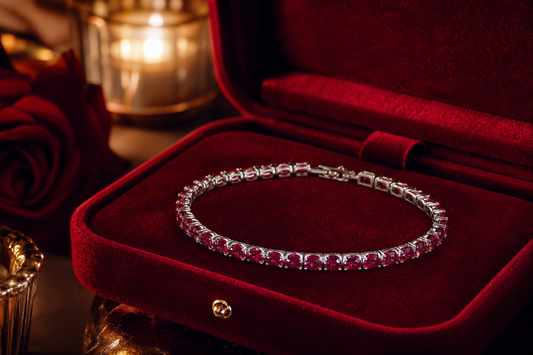
Bracelets are more visible to their wearer throughout the day, so they are ideal for someone who wants a frequent flash of color. They do need a good clasp, comfortable fit, and thoughtful care around desk work and travel. Browse the Lumingem Bracelets collection to compare line, halo, and mixed-gemstone silhouettes.
Earrings
Earrings are one of the most practical ways to wear vivid green or blue. They sit away from hands and create color near the face without requiring a large piece. A small emerald or sapphire stud is subtle enough for work; a drop or halo design can carry more presence for dinner or a celebration.
Metal Changes the Personality of the Gemstone
White gold, sterling silver, and yellow gold each change how green and blue read. White metals give sapphire a cool, clean frame and can make a blue stone appear especially crisp. They also create a sharp contrast with emerald, which suits modern or tailored styling.
Yellow gold warms both stones. It can make emerald look more vintage-inspired and emphasizes the warmth within certain blue tones. This is a useful choice for buyers who already wear gold chains, watches, or hoops. There is no obligation to match every metal you own; however, choosing a metal that already appears in your collection makes a colored gemstone piece easier to wear frequently.
Styling Emerald and Sapphire for Real Life
Emerald is a natural companion for ivory, camel, black, chocolate brown, dark denim, and soft pink. Use it as the one intentional color: an emerald pendant with a cream blouse, or green earrings with a simple black dress. The visual result is polished without being complicated.
Sapphire works with navy in a tonal way, but it is just as good with white, gray, blush, pale yellow, and patterned fabrics. A blue pendant can balance a floral print; a sapphire bracelet can add a composed note to an evening outfit. For a blue-and-green variation in a bracelet format, consider the Blue-Green Moissanite Tennis Bracelet.
For either gemstone, resist the urge to match every accessory. One colored focal point plus simple metal earrings, a fine chain, or one ring often looks more editorial than a full matching set.
A Buying Checklist Before You Decide
1. What color do I reach for naturally? Imagine the stone with three outfits you already own. 2. Will the piece be worn daily? If yes, choose a secure, low-profile setting and a gemstone category that suits your routine. 3. Does the metal coordinate with my current jewelry? This affects how often the piece will leave the box. 4. Is the scale right? A smaller color accent may be more wearable than a large stone for first-time gemstone buyers. 5. Is it a gift? A pendant or bracelet avoids the exact sizing question of a ring and can still feel personal.
FAQ
Is lab-grown emerald real emerald?
Lab-grown emerald has the same core mineral identity as mined emerald. Its origin is controlled rather than geological.
Is blue sapphire a good choice for everyday jewelry?
Blue sapphire is a strong choice for everyday jewelry because of its durability. Fine jewelry should still be removed for sport, swimming, cleaning, and heavy tasks.
Which is better for a gift, emerald or sapphire?
Choose emerald for someone who loves expressive green and distinctive color. Choose sapphire for someone who prefers a classic blue that works with many wardrobes. A necklace or bracelet is often easier to gift than a ring.
Does yellow gold work with blue sapphire?
Yes. Yellow gold can create a warm, more vintage-inspired contrast with blue sapphire. White metal gives a cooler, cleaner look.
Can I wear emerald jewelry every day?
You can wear emerald jewelry often when the setting is secure and you use sensible care. Pendants and earrings are especially easy for frequent wear; rings need more attention around impact.
Conclusion
Lab-grown emerald and lab-grown blue sapphire offer two distinct ways to wear color. Emerald is expressive, fresh, and memorable; sapphire is composed, versatile, and naturally suited to a busy jewelry rotation. Start with the color that feels most like the wearer, choose a well-proportioned design in a metal they already love, and match the setting to real daily habits. The best gemstone piece is the one that becomes part of a life, not simply part of a jewelry box.


Tags:
Previous
How to Style Gemstone Jewelry for a Summer Wedding Guest Outfit
Next
What Is Lab-Grown Paraiba? Neon Blue-Green Color, Care, and Buying Questions