
Lab-Created Sapphire Jewelry Care: What to Avoid and How to Store It
Lab-created sapphire jewelry is made to be worn, not hidden away. A blue pendant can become the piece you reach for with a white shirt; a bracelet can add color to a quiet work outfit; a pair of earrings can travel easily from day to dinner. Good care is simply what keeps those pieces looking like themselves. It is less about elaborate routines than knowing which everyday situations are unfriendly to fine jewelry and making a few habits automatic.
Sapphire is a durable gemstone, but durability is not permission to be careless. The stone, the setting, the chain or bracelet links, and the metal finish all experience wear differently. A thoughtful routine protects the details that make a piece feel refined: clean facets, secure prongs, a smooth clasp and bright metal. This guide explains what to avoid, how to clean gently, and how to store lab-created sapphire jewelry so it stays ready for regular use.
What Lab-Created Sapphire Is—and Why Care Still Matters
Lab-created sapphire has the same mineral identity as mined sapphire: corundum. It is grown in a controlled environment rather than formed in the earth. That gives it excellent resistance to ordinary wear, which is one reason sapphire works beautifully in necklaces, earrings, bracelets and rings.
Still, jewelry is an assembled object. A hard stone can be set in softer precious metal. Tiny prongs can catch on knitwear, a bracelet clasp can collect residue, and a chain can tangle when it is dropped into a shared box. Care is therefore about the whole piece, not merely the gemstone. Treating a sapphire pendant well also protects its bail and chain; treating a tennis bracelet well protects every repeated setting and its closure.
For pieces you wear often, begin with the product design. A lab-grown sapphire halo pendant necklace is an easy starting point because it can be cleaned and stored as one complete piece. A bracelet has more moving parts, so a quick clasp check becomes especially useful.
The Everyday Rule: Jewelry Goes on Last
The simplest rule is also the most effective: put jewelry on after skincare, fragrance, hair products and makeup have settled. Lotions, sunscreen and styling products can leave a thin film on gemstones and metal. The effect is not dramatic at first, but it gradually dulls reflected light and collects around settings.
At the end of the day, reverse the order. Remove jewelry before cleansing your face, changing clothes, or applying hand cream. Put a pendant on a soft surface rather than a bathroom counter, where one accidental bump can scratch metal or send a small piece down a sink.
Take sapphire jewelry off for these activities
- Swimming in pools, hot tubs or the sea
- Showering, especially with body scrubs or strong cleansers
- Gym sessions, sports, gardening and housework
- Applying perfume, self-tanner, hairspray or hand sanitizer repeatedly
- Heavy lifting, moving luggage, or tasks where a bracelet can knock against hard surfaces
This is not a warning that sapphire is fragile. It is a way to avoid residue, impact and unnecessary strain on small settings. A little prevention is usually easier than a repair.
How to Clean Lab-Created Sapphire Jewelry at Home
For routine cleaning, you need only a soft lint-free cloth, lukewarm water, a small bowl and a drop of mild dish soap. Skip aggressive products marketed as “instant shine” solutions unless the seller confirms that they are appropriate for the exact metal, stone and setting.
A gentle five-step method
- Fill a small bowl with lukewarm water and add a small amount of mild soap.
- Place the jewelry in the water briefly. Do not soak a piece for hours, and do not use hot water.
- Wipe around the metal and stone gently with a very soft cloth or a soft brush reserved for jewelry.
- Rinse carefully with clean lukewarm water. Hold delicate items securely; a mesh strainer placed over the sink is helpful.
- Pat dry completely and let the piece air dry on a clean cloth before storing it.
Use a light touch around prongs and pavé details. The purpose is to lift oil and everyday residue, not to scrub the stone. If you notice a loose stone, a bent prong, a catch in the clasp, or a chain that no longer lies smoothly, stop cleaning and arrange a professional inspection instead of trying to force the issue at home.
What Not to Use
Harsh chemicals are not necessary for sapphire care. Avoid bleach, chlorine cleaners, acetone, ammonia-heavy products, abrasive toothpaste, baking soda pastes and rough polishing cloths. These can affect metal finishes, leave residue in tiny spaces, or create needless wear on a plated or polished surface.
Ultrasonic cleaners are also best treated carefully. A hard gemstone may tolerate them in some settings, but a full jewelry piece can include delicate pavé, small accent stones, a fragile clasp, or a setting that needs professional assessment. When in doubt, the mild soap-and-water method is the safer choice.
Storing Sapphire Jewelry Without Scratches or Tangles
Storage is where small habits pay off. Do not pile necklaces, earrings, bracelets and rings together in one open tray. Even hard stones can scratch softer metal; chains knot easily; a bracelet can rub against another piece while a drawer opens and closes.
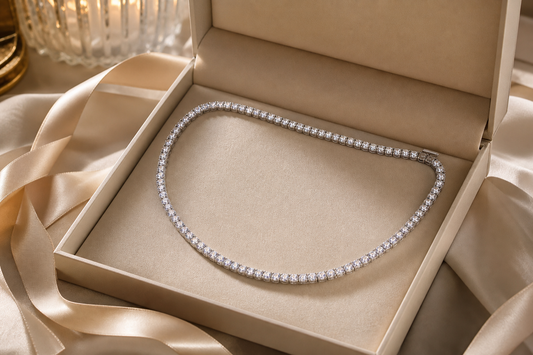
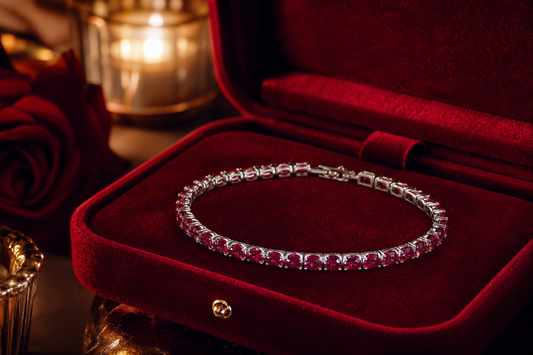
Keep each item in a separate soft pouch, fabric-lined compartment or its own small box. Fasten necklace clasps before storing them so the chain is less likely to tangle. Lay a tennis bracelet flat or in a gentle curve rather than sharply bending it. For earrings, keep pairs together so the posts do not scratch another item.
Humidity matters, too. A cool, dry drawer away from direct sunlight and a steamy bathroom is better than an exposed ledge. If your piece includes 925 sterling silver, a small anti-tarnish strip in the storage area can help reduce surface dullness. It is not a substitute for cleaning, but it makes routine upkeep easier.
For more silhouettes that can be stored and worn as an intentional rotation, explore the Lumingem Necklaces collection and Bracelets collection. Choosing one place for each piece is the real organizing trick.
Care by Jewelry Type
Sapphire necklaces
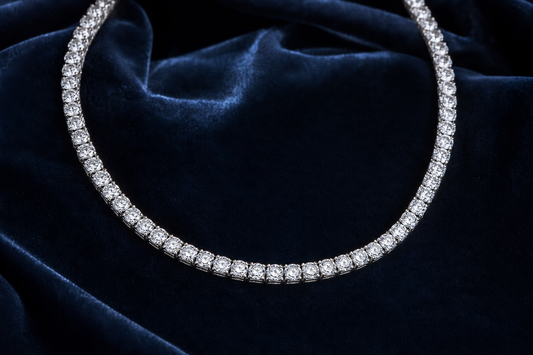
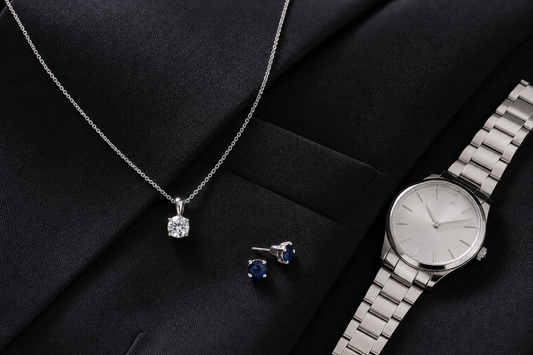
Necklaces collect product residue around the pendant and at the back of the neck. Wipe the chain after wearing, especially in warm weather. Store it clasped and separately. For a statement shape such as a lab-created blue sapphire teardrop necklace, make sure the pendant is not pressed beneath heavier jewelry.
Sapphire bracelets
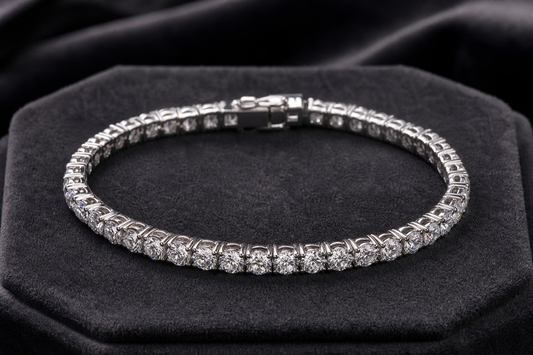
Bracelets meet desks, door handles and countertops more often than necklaces do. Remove them before chores and check the clasp periodically. If a bracelet has linked settings, do not twist it to test flexibility. Lay it naturally in your palm and look for anything that catches or feels uneven.
Sapphire earrings
Clean the backs and posts gently, since those areas meet skincare products and hair products. Store earrings as pairs and use a pouch or divided box so posts do not bend.
Sapphire rings
Rings meet the most hands-on activity. Remove them before cleaning, cooking with sticky ingredients, exercising or lifting. Check prongs after a noticeable knock, even if the sapphire itself looks fine.
A Small Monthly Inspection Is Worth It
Once a month, inspect your favorite pieces under a bright lamp. Look for a stone that seems to sit lower than the others, a prong that catches a fabric, a clasp that feels less positive, or a patch of residue that does not lift with a cloth. None of these automatically means serious damage, but they are good reasons to seek a professional cleaning or setting check.
This is also a good time to consider how often you wear a piece. Jewelry that is in constant rotation needs more frequent wiping than a pendant worn only for occasions. The point is not to create a chore; it is to notice changes while they are still small.
Build a Care Routine You Will Actually Follow
The most useful routine is one that fits into an existing habit. Keep a clean microfiber cloth where you remove your jewelry at night. After wearing a pendant, bracelet or ring, give it a ten-second wipe before it goes into its own pouch. Once a week, take a quick look at the clasp, chain and setting while you are choosing jewelry for the day. Once a month, use the gentle wash method if the piece is worn regularly.
This sequence is enough for most collections. It avoids the opposite problem—over-cleaning with products that are too strong or brushes that are too abrasive. If a piece feels unusually dull after gentle cleaning, or if you have inherited jewelry with unknown repairs and treatments, professional advice is the best next step. A jeweler can assess a setting and recommend service without turning routine ownership into a complicated project.
It can help to keep a small travel pouch in your handbag as well. It gives you a safe place for jewelry during a gym session, beach visit, long flight or work task. Fine jewelry lasts longer when it has a reliable place to go.
FAQ
Can lab-created sapphire jewelry get wet?
Brief contact with clean water during gentle cleaning is fine. Avoid showers, swimming pools, hot tubs and long exposure to soaps or chemicals.
Can I use an ultrasonic cleaner for a sapphire ring?
Ask a jeweler about the specific setting first. Mild soap, lukewarm water and a soft cloth are a dependable at-home method for most pieces.
Why does my sapphire look less bright?
Most often, it is a layer of lotion, soap, makeup or everyday oil. Gentle cleaning usually restores the stone’s light return. If it does not, have the setting checked.
How should I store a sapphire necklace?
Fasten the clasp, lay it in a soft pouch or separate compartment, and keep it dry and away from other jewelry that may scratch or tangle it.
Does 925 sterling silver need different care?
It benefits from keeping it dry, wiping it after wear and avoiding harsh chemicals. Store it separately to reduce scratches and tarnish.
Conclusion
The best care routine for lab-created sapphire jewelry is simple enough to keep: put it on last, take it off before water or active work, clean it gently, and give it a separate dry place to rest. Those habits protect the metal and setting as much as the gemstone. With regular light care, a sapphire piece can stay part of your everyday wardrobe rather than becoming something reserved for a box.


Tags:
Previous
How to Choose a Lab-Grown Ruby Bracelet: Color, Fit, and Gift Occasions
Next
How to Style Gemstone Jewelry for a Summer Wedding Guest Outfit