Jewelry Journal
Popular posts
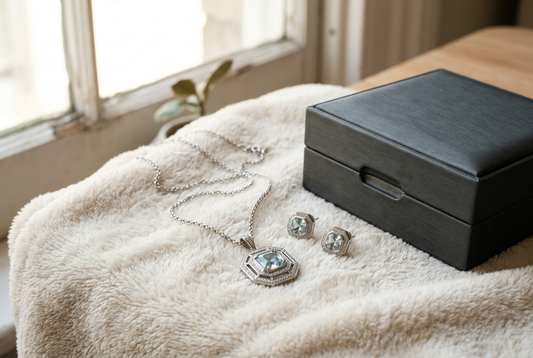
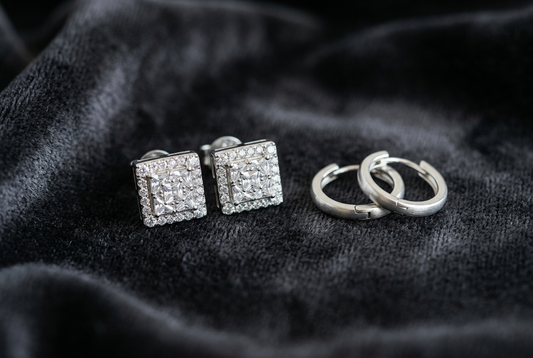
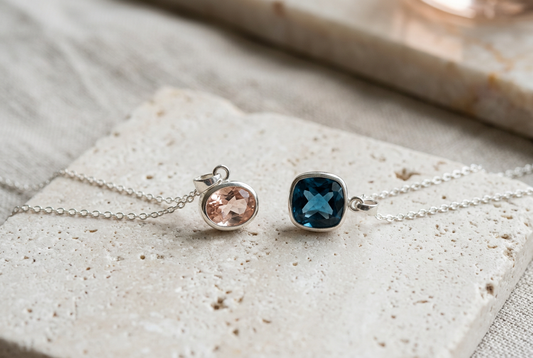

Open-Back Padparadscha Sapphire Settings: What the Term Means
An open-back sapphire setting has visible openings behind or beneath the gemstone rather than a completely enclosed metal back. That description tells you something about the...
Sep 20 2026
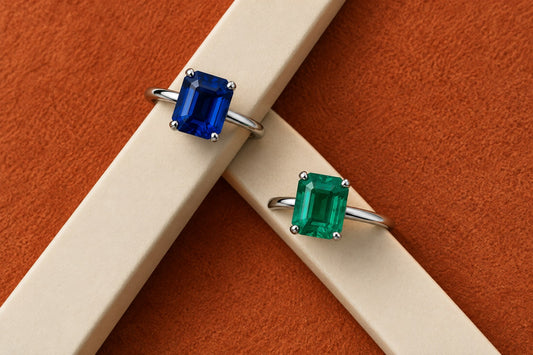
Emerald Cut vs. Emerald Gemstone: Read Jewelry Names Clearly
In this article What is the difference between emerald cut and emerald gemstone? Read a jewelry name in five separate parts Two real listings, decoded without...
Sep 15 2026

Padparadscha Sapphire Size: Carats vs Millimeters
A two-carat padparadscha sapphire sounds like a size you can picture—until you compare two rings and one looks much larger. The difference is not necessarily a...
Sep 09 2026

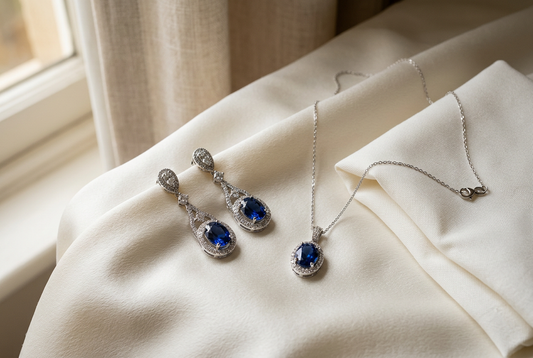
Why Blue Sapphire Necklaces Look Different in Every Light
A blue sapphire necklace can look electric near a window, velvety in a restaurant, and almost ink-dark in a dim hallway. That shift does not automatically...
Sep 07 2026

Padparadscha Sapphire vs Peach Sapphire: Color and Buying Questions
“Peach sapphire” and “Padparadscha sapphire” often appear beside the same warm pink-orange jewelry, but they are not simple synonyms. Peach sapphire is a broad color description....
Sep 03 2026

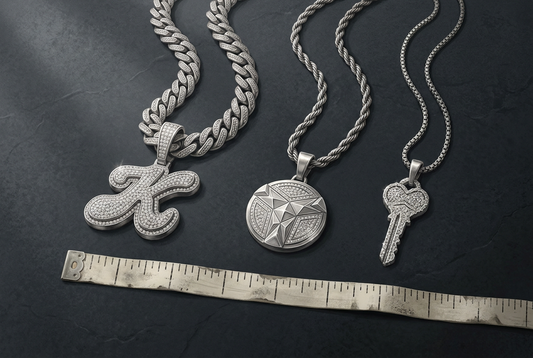
What Is Iced-Out Jewelry? Materials, Settings & Quality
“Iced out” is a visual description for jewelry covered with many closely set stones so the surface produces a continuous field of light. The phrase is...
Sep 02 2026

Lab-Grown Sapphire and Moissanite: Cuts, Care and Search Terms Explained
Lab-grown sapphire and moissanite are often placed in the same search results, yet they are different materials with different visual behavior. Sapphire is valued for color...
Sep 01 2026

Why Paraiba-Color Jewelry Looks Different in Every Light
Paraiba-color jewelry is known for a vivid blue-green look that can feel almost electric in one photograph and softer, greener, or bluer in another. That change...
Sep 01 2026

Lab-Grown Paraiba vs Paraiba Tourmaline: What the Labels Mean
“Paraiba” is one of the most visually powerful words in colored-gemstone jewelry. It evokes electric blue, turquoise, and blue-green color, yet the word is used across...
Aug 31 2026

Padparadscha Meaning: Lotus Color, Symbolism and Lab-Grown Jewelry
The word Padparadscha is often translated with references to a lotus blossom, sunset, or the meeting of pink and orange. Those descriptions are evocative, but they...
Aug 23 2026

Lab-Grown Emerald Necklace Buying Guide: Size, Chain and Setting
A lab-grown emerald necklace can be simple to wear and surprisingly detailed to buy. Two pendants that look similar in a close-up photograph may sit very...
Aug 23 2026

Are Lab-Created Rubies Real? A Bracelet Buyer's Guide
“Is a lab-created ruby a real ruby?” is a reasonable question because jewelry descriptions often mix scientific terms, trade language, and marketing shorthand. The clear answer...
Aug 22 2026