
How to Layer Necklaces Without Tangling: A Practical Styling Guide
Layered necklaces can make a simple outfit look considered, but they lose that effect when chains twist into one tight knot. Tangling is not always a sign that layering is impractical. It usually comes from necklaces that are too similar in length, weight, or movement. A fine chain and a heavy pendant can pull in different directions; two pendants landing at the same point can overlap; a high collar can push every layer toward the center.
The best necklace stack is designed as a small composition. Each chain needs its own space, the visual weight should move naturally from top to bottom, and the combination should suit the wearer’s day. This guide explains how to build that structure with two or three necklaces, how to match it to common necklines, and how to reduce tangles before they begin.
Start With Two Necklaces, Not Five
If you are new to layering, begin with two pieces. A two-necklace stack is easier to balance, simpler to check in a mirror, and less likely to knot. Once you understand the spacing and weights that work in your wardrobe, add a third layer.
The easiest formula is:
- One shorter, visually quiet chain
- One longer pendant necklace
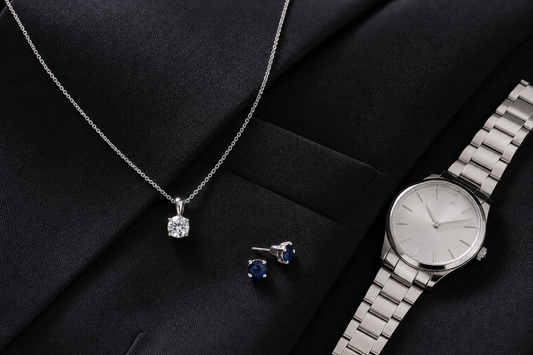
The shorter chain frames the base of the neck, while the pendant creates a vertical focal point. Because the two necklaces perform different jobs, they are less likely to compete. Browse the Lumingem necklaces collection to compare chain structures and pendant proportions before building a stack.
Avoid beginning with two nearly identical pendants at almost the same length. They will naturally move into the same space. If you love both pieces, use an extender on one or wear them on different days.
Create Real Space Between Chain Lengths
Spacing is the foundation of a clean layered look. Two necklaces with only a tiny length difference may appear separate when you first put them on, then overlap as soon as you walk or sit. A visible step between layers gives each chain room to move.
You do not need to follow a rigid measurement. Neck size, pendant height, clasp position, and neckline all affect where a piece lands. Instead, put on the shortest necklace first and note its lowest point. Add the next necklace and check whether its chain or pendant enters the same zone. If it does, adjust the length or choose another piece.
For three layers, think in descending steps:
- A short chain or small station necklace
- A medium layer with modest detail
- A longer pendant that anchors the stack
The eye should be able to trace each line. If all three collapse into one dense area, remove one or change the middle length.
Mix Chain Weights Deliberately
Chains that are exactly alike can cling together because they move in similar ways. Mixing texture and weight can create visual separation. A smooth snake chain, fine cable chain, station chain, or curved bar each catches light differently and forms a distinct line.
However, difference should not become imbalance. A very heavy pendant on the longest layer can drag against an extremely delicate upper chain. The goal is a gradual increase in visual weight, not a dramatic jump. Let the shortest necklace be light, the middle layer slightly more visible, and the bottom pendant the clearest focal point.
A sterling-silver layered snake-chain necklace offers a useful reference for how coordinated layers can be designed with built-in spacing. When combining separate necklaces, recreate that sense of order rather than matching every chain exactly.

Use One Main Pendant
Multiple pendants can work, but one focal pendant is the most reliable starting point. It gives the stack a clear visual destination and reduces overlapping objects. The upper layer can be plain, lightly textured, or set with small stations.
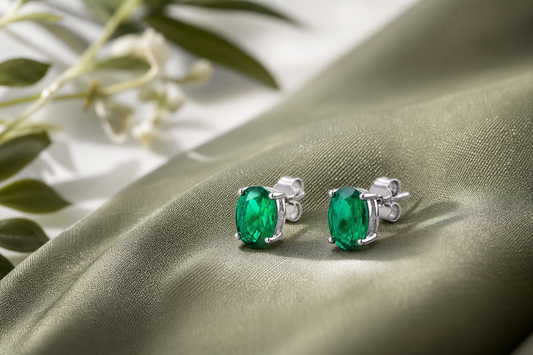
Colored gemstones are especially effective as the lowest layer because the eye naturally moves toward color. An emerald, sapphire, or moissanite pendant can provide the anchor while the upper chain remains neutral. For example, an emerald-cut lab emerald necklace brings a structured green accent to the bottom of a silver-toned stack.
If you want two pendants, make their shapes and scales clearly different. A tiny round charm can sit above a longer pear or rectangular stone. Keep enough vertical distance that the lower pendant does not swing into the upper one with every step.
Match the Stack to the Neckline
Necklines are not just a background; they affect movement and spacing. Fabric can hold a chain in place or push it toward another layer.
Crew Neck and High Neck
With a crew neck, choose either a short layer that sits above the fabric or a longer pendant that rests clearly on top of it. The difficult zone is the neckline edge, where a chain may catch and shift. A clean two-piece stack often works better than three delicate layers.
For a turtleneck, treat the fabric as a smooth display surface. Medium and long necklaces are usually easier than a collarbone chain hidden by the neck. Use pieces with enough visual weight to remain visible against the knit.
V-Neck
A V-neck naturally supports a descending stack. Let the shortest layer sit above the point and the longest pendant echo the V without falling below the opening. Vertical pendants such as pear, teardrop, bar, or emerald-cut shapes reinforce the line.
Button-Down Shirt
An open button-down creates a flexible frame. A short necklace can sit against skin while a longer pendant falls inside the open collar. Keep the stack narrow enough that chains do not repeatedly catch under the collar points.
Strapless, Square, and Scoop Necklines
These open shapes provide room for more visible layering. A short chain plus medium pendant can fill the space without touching fabric. With a square neckline, angular pendants often look especially coherent; a scoop neckline works easily with round and curved shapes.
Consider Hair, Collars, and Daily Movement
Tangling does not happen only between chains. Long hair, scarves, jacket collars, bag straps, and seat belts can all disturb a necklace stack. If the day includes frequent coat changes or travel, simplify the layers.
Wear hair up or away from the clasp area when using several fine chains. Check that no pendant sits exactly where a crossbody strap presses against the chest. When putting on a scarf, remove the necklaces first, arrange the scarf, and then decide whether the stack still has enough space.
Layering for a photograph and layering for a full workday are different tasks. A slightly simpler stack will usually look better after six hours because it needs less adjustment.
Try a Necklace Separator or Layering Clasp
A necklace separator is a multi-loop clasp designed to keep the back connection points apart. It can make two or three chains easier to fasten and may reduce rotation around the neck. It is most useful when the necklaces have compatible weights and lengths.
It is not a complete guarantee against tangles. Pendants can still cross at the front, and very different chain weights may pull the separator off center. Choose a separator with secure closures, match its metal tone to the necklaces, and avoid overloading a delicate device.
An alternative is to use individual extenders. Lengthening one necklace by a small amount can create the missing space without connecting all the chains to one clasp. Test the combination at home before wearing it to an event.

Balance Color and Metal
Layered necklaces do not need to be a perfectly matching set. Repeating one element is enough to create unity. You might repeat silver tone across all layers while using one green gemstone, or mix chain textures while keeping the pendant shapes simple.
Mixed metals can look intentional when there is a clear pattern. For a two-layer stack, one yellow-toned and one white-toned necklace create an obvious contrast. For three layers, repeat one of the metals so the result does not look accidental. A two-to-one ratio is easier to read than three unrelated finishes.
If color is the focal point, avoid adding several competing gemstones at the same scale. One emerald pendant with neutral upper chains is more versatile than three equally bright stones. If you prefer a multicolor effect, vary the pendant sizes and keep the clothing simple.
Build Layering Formulas for Real Outfits
Instead of choosing necklaces in isolation, save combinations that work with specific clothes.
Everyday Minimal
Pair a short, smooth chain with one medium-length pendant. Use the same metal tone and keep the pendant moderate in scale. This formula works with a white T-shirt, knit, or open shirt.
Workday Color
Use a restrained upper chain and a longer colored-gemstone pendant. Let the color sit inside the open neckline of a blouse or shirt. Avoid adding earrings of equal visual weight; compact studs keep the look balanced.
Dinner or Event
Add a third layer only when the neckline provides space. Use a short bright chain, a middle station necklace, and a longer pendant. Check the stack while sitting as well as standing because pendant positions change with posture.
Weekend Texture
Combine two chains with clearly different surfaces, such as a smooth snake chain and a fine cable chain. Skip the pendant if the textures already provide enough interest. This is useful with casual monochrome outfits.
How to Put On a Layered Stack
Preparation reduces tangles. Lay every necklace flat before putting it on. Remove any existing knots rather than hoping they will loosen during wear. Fasten the longest necklace first, then add the shorter layers so you can see the spacing clearly.
Stand naturally and move your shoulders. If the chains immediately cross, adjust the lengths before leaving. Check the back as well; clasps should not already be twisted around one another. When using a separator, attach the necklaces while they are flat, then fasten the combined unit.
During the day, correct a crossing early. Pulling a tight front knot may stress fine chain links. Step into a well-lit space, remove the stack if necessary, and separate it on a flat surface.
Storage Matters as Much as Styling
Do not drop a layered stack into one pouch after wearing it. Separate the necklaces before storage, fasten each clasp, and lay chains flat or hang them individually. Keep pendants from resting directly on other stones or textured metal.
For travel, use a jewelry roll, divided organizer, or simple card method designed for necklaces. Each chain needs its own channel. If you store a combination already attached to a separator, confirm that the front sections cannot cross in the case.
Wipe necklaces with a clean, soft cloth after wear, particularly where chains touch the neck. Fragrance, sunscreen, and skin oil can make fine chains cling together and dull the metal. Put necklaces on after beauty products have dried and remove them before showering, exercise, swimming, and sleep.

Common Layering Mistakes
The most frequent problems are easy to recognize:
- Choosing necklaces with almost identical lengths
- Using several pendants of the same size
- Combining a very heavy lower piece with fragile upper chains
- Ignoring the neckline and collar movement
- Wearing too many layers for an active day
- Letting hair wrap around multiple clasps
- Storing the necklaces as one bundle
- Pulling knots instead of loosening them carefully
Fix one variable at a time. Increase the length difference, remove a pendant, change the shortest chain, or simplify the stack. A good layered look should not require constant handling.
Frequently Asked Questions
How much space should there be between layered necklaces?
There should be enough visible separation that the chains do not occupy the same line during normal movement. Exact spacing depends on neck size, pendant height, and neckline, so test the stack on the wearer rather than relying only on listed lengths.
Do necklace separators prevent all tangling?
They can keep clasps apart and reduce rotation, but they cannot guarantee that pendants will never cross at the front. Compatible chain weights and clear length differences still matter.
Can I layer two pendant necklaces?
Yes. Make the pendants clearly different in size or shape and place them at distinct lengths. A tiny upper charm with a longer vertical pendant is easier than two equal pendants competing in the same space.
Is it okay to mix silver and gold necklaces?
Yes. Repeat at least one metal or use a deliberate ratio so the mixture looks planned. Keep pendant colors and shapes restrained while the metal contrast does the visual work.
How do I keep layered necklaces from tangling with long hair?
Wear hair away from the clasp area, choose smoother chain textures, and limit the number of fine chains. Check the back of the stack before adding scarves or high collars.
Should I sleep in layered necklaces?
No. Remove and separate them before sleep. Movement against bedding can knot chains, pull settings, and stress clasps.
Conclusion
The secret to layering necklaces without tangling is structure. Give each chain a distinct length, vary texture and weight gradually, and let one pendant lead the composition. Match the stack to the neckline and the demands of the day instead of building the same combination for every outfit.
Start with two necklaces, test the spacing while moving, and simplify whenever the layers need constant adjustment. Careful storage completes the process: separate, fasten, wipe, and lay each necklace flat. When the mechanics are right, a layered stack feels effortless because every piece has a clear place.
Tags:
Previous
Does Moissanite Get Cloudy? Why It Can Look Dull and How to Restore Its Sparkle
Next
Lab-Grown Blue Sapphire Earrings Buying Guide: Studs vs. Drops, Size, Setting and Metal