
Lab Grown Diamond Earrings FAQ: Everyday Size, Total Weight and Value
What size diamond studs works for everyday wear? Is a slightly larger pair worth the price difference? These are real questions raised by shoppers comparing lab grown diamond earrings. A useful answer starts with measurements, your daily routine and what the listing actually includes, rather than a single recommended carat number.
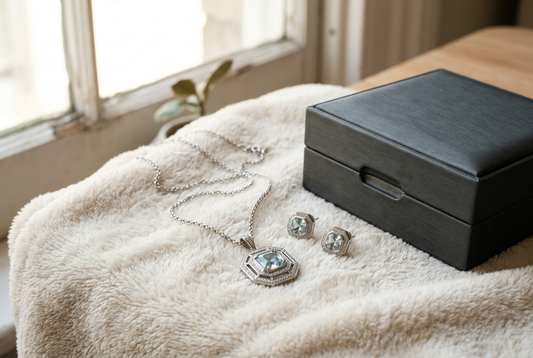
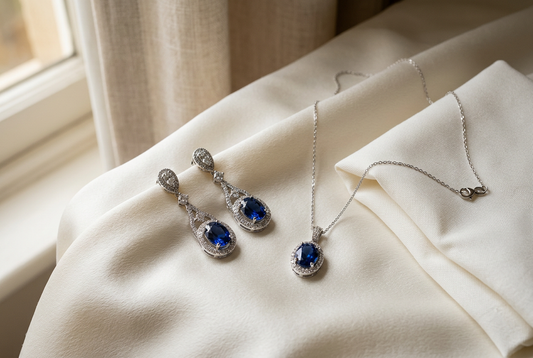
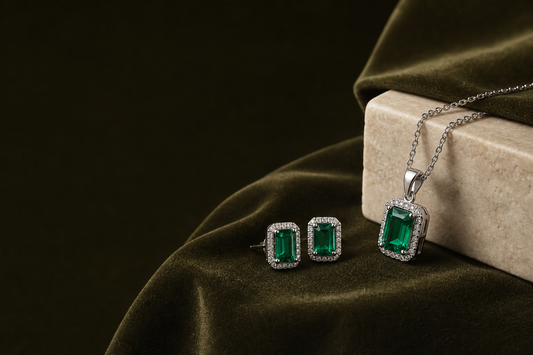
This guide explains the buying checks behind those questions. Images illustrate earring styles and proportions; they do not identify the stones in a particular product or establish that a specific design is available. Always read the individual listing for material information.

Q: What size should I choose for everyday diamond studs?
There is no universal everyday size. Start with earrings you already find comfortable and compare their face dimensions with the proposed pair. Consider your workplace, hairstyle and whether you prefer a quiet accent or a noticeable focal point. Someone else's ideal size may not suit your routine.
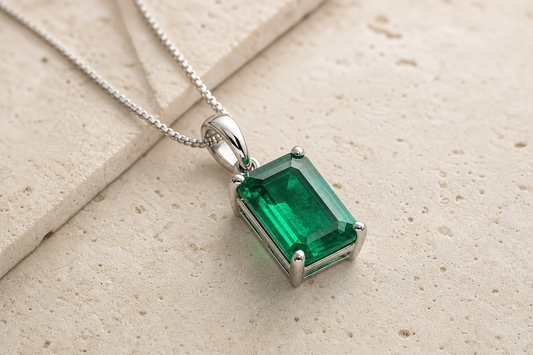
Look for dimensions in millimeters and an on-ear photograph as well as the stated weight. A surrounding border, the stone shape and the setting can change the finished outline. A close-up image filling the screen cannot tell you how large the earrings will feel on your ears.
Q: Does total carat weight mean the weight of each earring?
Not necessarily. Total carat weight describes a combined stone weight, but you must check what the seller is adding together: the pair, one earring or all stones in a cluster design. Ask explicitly whether the figure is per pair or per earring and whether it includes accent stones.
Carat is a measure of gemstone weight, not a direct measurement of face-up size. Compare the actual stone dimensions and complete earring dimensions rather than assuming a particular total weight guarantees a particular visible diameter.
Q: Is a small size increase worth a much higher price?
It depends on the visible difference and your preferences, not only the change in carat weight. Compare like-for-like details: stone shape, dimensions, stated quality information, metal, setting and included documentation. Two prices may reflect differences beyond the apparent size.
Set a comfortable limit for the complete purchase, including any charges shown before checkout. If the larger pair does not improve the way you expect to wear the earrings, you do not have to buy it simply because it looks more impressive on paper. Avoid treating forum prices from another date as current quotations.

Q: Are lab grown diamonds the same thing as moissanite?
No. Laboratory-grown diamonds and moissanite are different materials. The phrase lab grown does not turn every clear laboratory-made stone into a diamond. Find the explicit stone identity and origin in the description, especially when titles combine several sparkle-related terms.
GIA discusses natural diamonds, laboratory-grown diamonds and simulants as identification categories requiring appropriate methods. Do not use a bright photograph or a brief tester demonstration as complete proof of what every stone in a finished pair is.
Q: Should each earring come with a grading report?
Do not assume a report is included unless the exact product states that it is. Ask whether documentation relates to individual stones or the finished piece, and what information it provides. A general card and an independent gemological report do not necessarily answer the same questions.
If documents are supplied, check how they correspond to the items offered. A report can provide relevant identification or quality information within its scope, but it does not establish that the posts, backs and overall fit will suit you. Those remain separate checks.
Q: Which backing is best for daily comfort?
No closure is automatically the right choice for everyone. Read the stated post and backing details, and compare with earrings you already wear comfortably. Ask for a rear-view image if the product photographs only show the decorative front.
Consider available weight information for the complete earrings, not just the diamonds. A listing's total gemstone weight is not the finished jewelry weight. Do not force an unsuitable post into a piercing or continue wearing a piece that causes discomfort. Ask about component materials if you have known sensitivities.

Q: What should I confirm before ordering a pair?
Confirm quantity, stone identity and origin, dimensions, metal, finish, closure, included documentation and current return conditions. Check whether the selected option changes any of those details. If the purchase is for a wedding or gift date, verify current processing and shipping information rather than assuming arrival.
When exploring jewelry at Lumingem, evaluate the specifications of each available design individually. This educational comparison does not establish current diamond inventory. Choose earrings around clear information and comfortable proportions, not a size recommendation detached from your everyday life.
Real buyer discussions informing these questions: choosing an everyday stud size and whether a size difference justifies the price. For identification context, see GIA's diamond screening information. Buyer comments are not independent product verification.
Tags:
Previous
Padparadscha FAQ: Color Names, Treatments and Buying Confidence
Next
Sapphire Bridal Jewelry FAQ: Matching Earrings, Chains and Your Dress